AI: Trust, Authenticity and the Brand Promise

AI and branding

When it comes to building strong brands, artificial intelligence (AI) requires close examination. 

We’ve created and defined brands for decades. Our expertise has included defining what brands are, what they stand for, and how they earn trust over time by authentically connecting with their audience. Every technological shift that has assisted in this journey from digital, to social, to data-driven marketing has contributed efficiencies, but very few have tested human judgment like AI.

AI has moved from experimentation to expectation. It touches copywriting, design, media buying, insights, personalization, and even strategic planning. For many brands, AI has become entrenched in the workplace but with it comes challenges. 

In a recent study, AI Anxiety in the Workplace: Key Insights and Trends Howdy.com surveyed over 1,000 full-time workers who use AI, revealing two emerging workplace dynamics:

  • AI Atrophy – the gradual erosion of human skills due to overreliance
  • Antisocial AI – replacing human collaboration with machine interaction

It also found that:

  • 10% rely entirely on AI to do their jobs
  • Nearly 1 in 5 hide their AI usage from colleagues
  • Nearly 1 in 4 workers fear losing critical abilities to AI, and 21% already struggle with tasks they once handled easily without it
  • 28% say AI makes them smarter, while 21% feel it’s making them less capable
  • 1 in 10 rely entirely on AI for their jobs — even though 37% judge colleagues who do the same
AI: Trust, Authenticity and the Brand Promise

AI: Trust, Authenticity and the Brand Promise

The Upside: AI as a Branding Accelerator

AI is an incredible amplifier. It helps teams test ideas faster, iterate more often, and reduce friction between insight and execution. Tasks that once required large teams, long timelines, or significant budgets can now be executed in hours. This has given way to speed, scalability, and efficiency. 

AI can be used to analyze vast datasets to identify patterns in consumer behavior, predict trends, optimize campaigns in real time and at a level humans simply can’t match on their own. Creative teams can offload repetitive tasks and (in theory) spend more time on higher-level thinking.

What we’ve seen to date is that AI works best when it acts as an amplifier by speeding up what humans already know how to do well. At its best, it clears space for deeper brand thinking rather than replacing it.

The Hidden Risk: When Efficiency Replaces Judgment

Branding has never been about output alone. It’s about judgment, taste, context, and emotional intelligence which are qualities that are developed, not generated.

The concept of AI Atrophy should concern anyone responsible for a brand. Strategic instincts are built through debate, mistakes, and lived experience. When AI becomes the default answer engine, those critical elements are threatened.

When everyone uses the same tools, trained on the same data, differentiation dies. In branding and marketing this risk shows up subtly but quickly. We’ve seen this a lot lately. Campaigns start to feel interchangeable. Brand voices flatten. Visual identities converge and begin to blur. Messaging becomes technically sound but emotionally hollow. Efficiency without discernment has never contributed to building a strong brand.

AI: Trust, Authenticity and the Brand Promise

AI: Trust, Authenticity and the Brand Promise

Antisocial AI and the Slow Breakdown of Creative Culture

Antisocial AI also cited in the Howdy.com study may be more damaging long-term as brands are collective creations. They emerge from tension, collaboration, disagreement, and shared understanding. 

Great brands and ideas are not built in isolation. They emerge from collaboration, disagreement, and shared context. The magic often happens when a strategist challenges a creative, when a junior voice questions an assumption, when internal teams debate what a brand should or shouldn’t say.

This matters internally as much as externally. Brand culture is shaped by how teams work together. If collaboration erodes, brand coherence often follows. When marketers turn to AI instead of teammates for ideation, feedback, or problem-solving, they bypass the very processes that sharpen thinking. We risk losing collective intelligence. Add to that the fact that 19% of workers hide their AI usage, and you see a deeper issue: fear and mistrust are entering the workflow.

From a branding lens, internal culture and external brand expression are inseparable. When collaboration erodes internally, coherence erodes externally.

AI and branding

Key Research Shaping the AI Conversation and Work

Over the past year, several large-scale studies have revealed a widening gap between AI adoption and human readiness.

Pew Research Center (2025) – A national survey of 5,000+ U.S. workers found the following:

  • 52% feel worried about AI’s future impact in the workplace
  • 33% say they feel overwhelmed,
  • 36% feel hopeful about how AI may be used in the future workplace
  • Only 6% believe AI will create more opportunities for them
  • About 1/3 fear it will reduce future job prospects

Mercer – 2025 Global HR Technology Report

  • Surveyed 8,500+ employees globally on technology in the workplace
  • The research identified lack of leadership clarity and communication around AI as a primary driver of anxiety, role confusion, and skills uncertainty

Perceptyx Research Report (2025)

  • Results find most employees still unprepared for AI
  • Research reveals growing “AI anxiety” across industries, especially among younger workers and individual contributors
  • 53% of all employees fear bias or discrimination in AI-driven decisions and 38% are unclear on how AI will affect their roles
  • Only 47% understand adoption decisions, 43% say AI-supported decisions are fair, and 47% feel their organization is transparent about AI use.
  • As adoption accelerates, the report warns, the gap between those ready for AI and those left behind is widening, threatening engagement, trust and equity

Together, these reports tell a consistent story. AI adoption is outpacing human confidence, governance, and cultural norms.
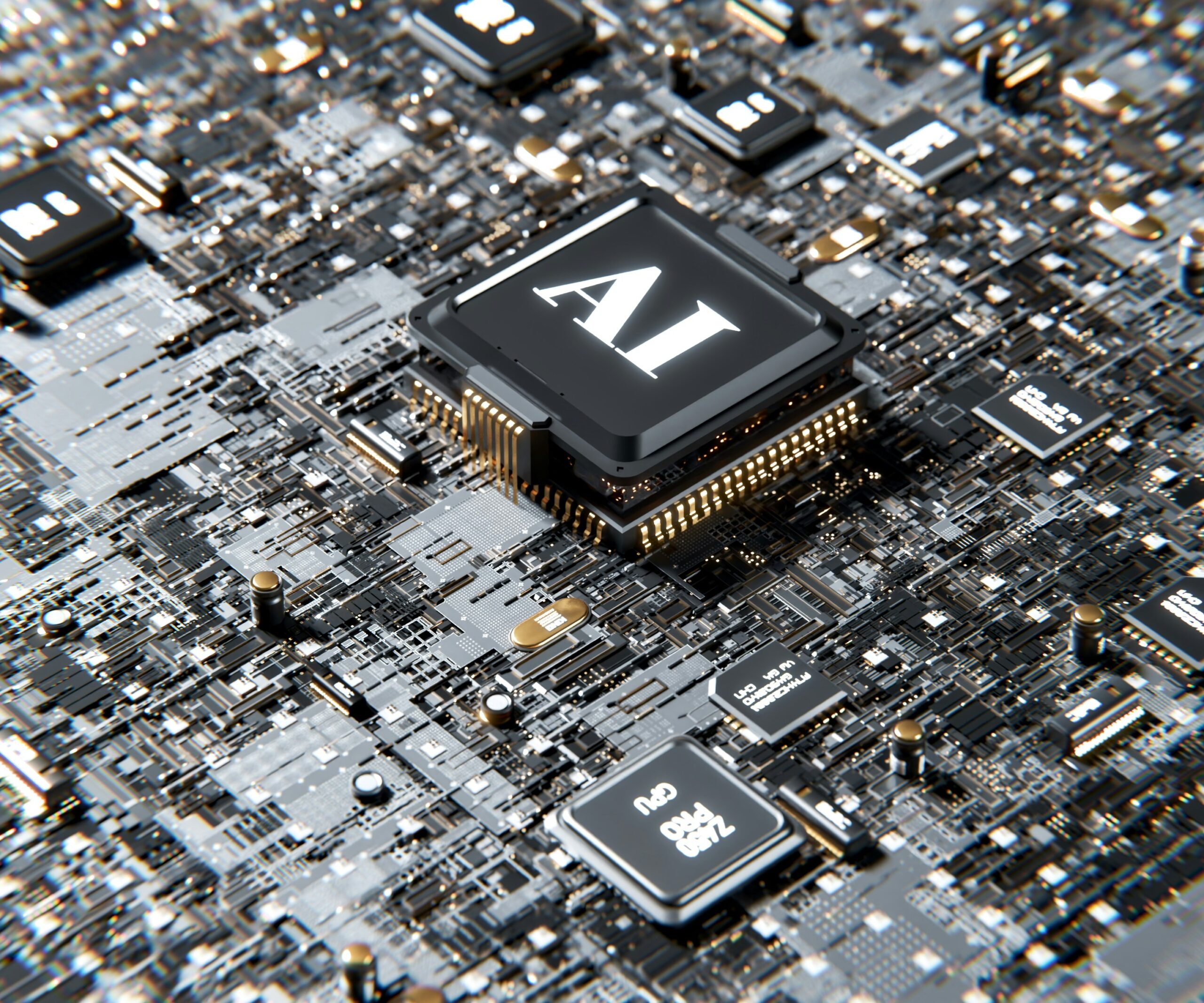
AI: Trust, Authenticity and the Brand Promise

Brand trust is fragile and AI complicates it.

Internally, leaders must decide whether AI is a silent shortcut or an openly governed capability. Hidden usage leads to misaligned expectations and false signals of competence.

Externally, consumers are becoming more aware of AI-generated content. While many welcome AI-enhanced experiences, they still expect authenticity, accountability, and human intent. When brands lean too heavily on automation without oversight, they risk tone-deaf messaging and cultural missteps. Trust can’t be automated.

The Middle Ground: AI-Empowered, Not AI-Dependent

The strongest brands of the future will avoid the extremes. They won’t reject AI outright and they won’t surrender thinking to it.

They will be AI-empowered. However, this places new and growing responsibilities on leaders who are actively overseeing and implementing AI systems in the workplace.

These responsibilities include:

  • Using AI as a collaborator, not a crutch
  • Training teams not just how to use AI, but when to challenge it
  • Continuing to apply critical thinking to AI recommendations and interpretations
  • Making AI usage visible, ethical, and aligned with brand values
  • Doubling down on uniquely human skills: judgment, empathy and cultural fluency

Ironically, as AI advances, human differentiation becomes more valuable.
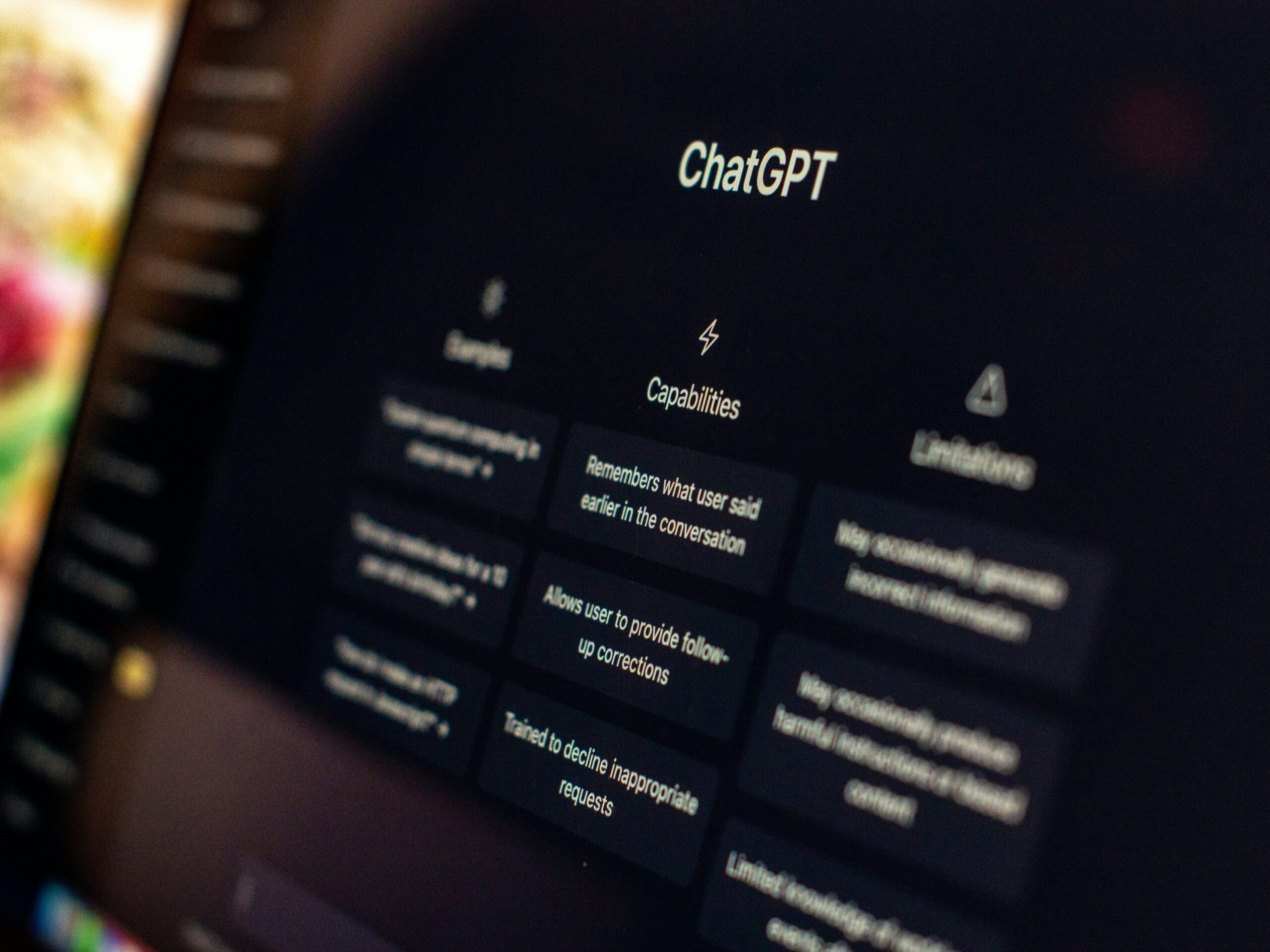
artificial intelligence and branding

AI: Trust, Authenticity and the Brand Promise

A Branding Lens on the AI Spectrum

The Howdy study asks where people see themselves: AI-empowered, AI-dependent, or AI-cautious.

As brand building experts, we’d currently argue different tasks require varying levels of AI involvement.

Brands are built on promises which are based on emotional contracts between organizations and people. AI can help deliver those promises, but humans must remain accountable for defining them.

AI will continue to transform how we work. The real question for marketers is understanding where efficiency ends and erosion begins. For a free brand audit, please fill out our Contact form below. 

We are on Instagram!  Follow us here or on Linkedin to stay up to date on the latest branding and marketing news.